
You will get practical steps to feel comfortable and protect your new dental implant in Surprise, AZ while recovering at home. The article covers what to expect after surgery, simple daily care, when to call your dentist, and local resources that can help you stay on track.
Follow gentle oral hygiene, manage pain and swelling, stick to soft foods, and attend follow-up visits to speed healing and protect your implant.
Expect clear tips on protecting the implant site, signs that need attention, ways to support overall healing, and how to find trustworthy aftercare in Surprise so you can recover with confidence.
What To Expect After Your Dental Implant Procedure
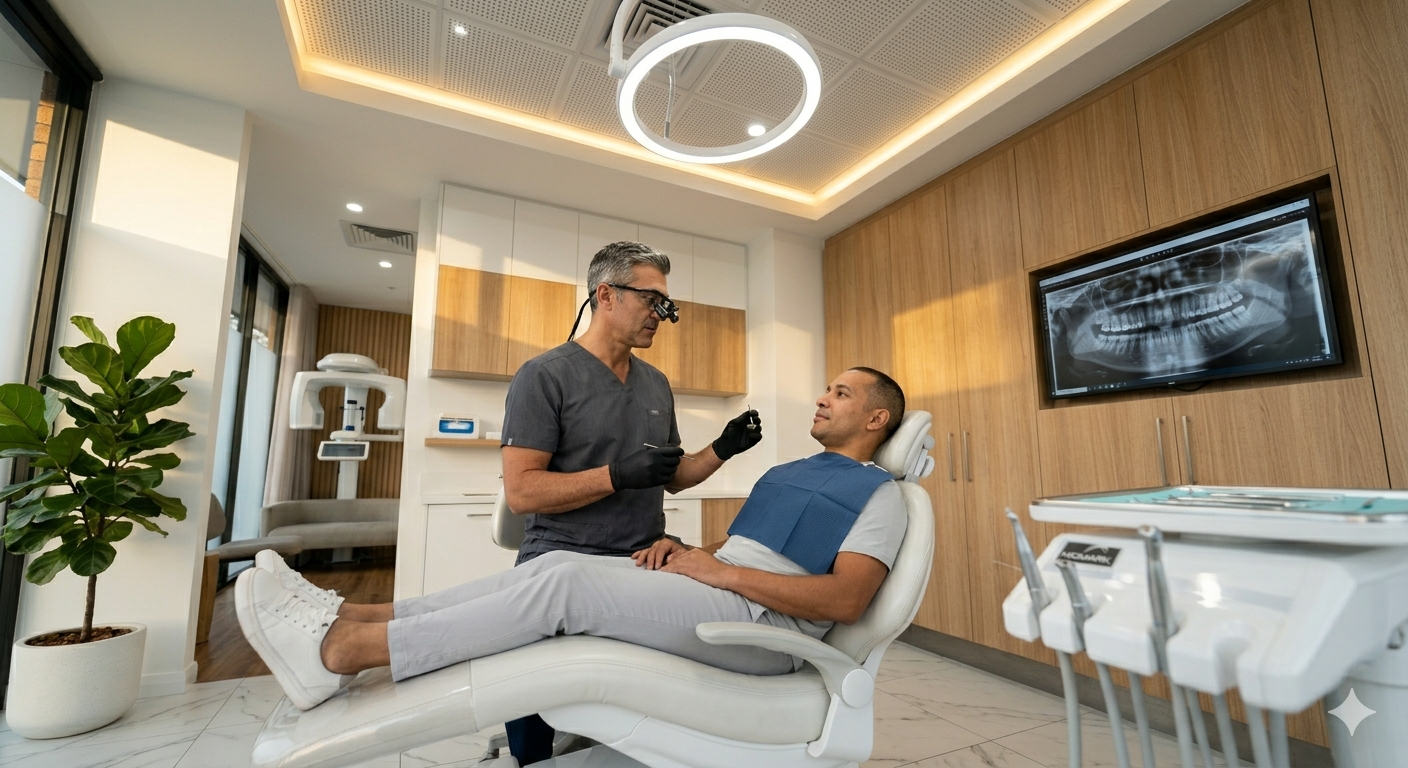
Most patients can expect a predictable recovery pattern: the first few days involve swelling and mild discomfort, followed by gradual tissue healing and bone integration over several months. Simple changes in diet, oral care, and activity keep healing on track and reduce complications.
Initial Healing Timeline
Day 0–3: Swelling, minor bleeding, and soreness peak. Patients typically use prescribed or OTC pain relievers, apply ice intermittently for 24 hours, and rest with head elevated. Stitches, if placed, usually stay for 7–10 days or dissolve on their own.
Day 4–14: Soft tissue around the implant continues to close and become less tender. Most people return to normal light activities and soft foods; chewing on the opposite side is recommended. Any bruising or numbness should steadily improve.
Weeks 6–12: Gum tissue firms and adapts to abutments or healing caps. The clinician assesses soft-tissue health and may take impressions for the final crown once bone integration looks satisfactory.
3–6+ months: Osseointegration — the implant fusing with jawbone — completes. Timing varies with bone quality and whether bone grafting occurred. Final restoration placement happens when the implant is stable and X-rays show solid integration.
Common Sensations During Recovery
Pain: Expect localized, dull aching controlled with NSAIDs or prescribed medication. Intense pain beyond 48–72 hours or pain that worsens may signal infection or other issues and requires prompt contact with the clinic.
Swelling and bruising: Swelling typically peaks 48–72 hours after surgery and then declines. Bruising can appear on the face or neck and fades over 7–10 days.
Bleeding and oozing: Light bleeding or saliva tinged with blood is common for 24–48 hours. Persistent heavy bleeding, large clots, or bleeding that soaks multiple gauze pads warrants immediate attention.
Taste and smell changes: A metallic or bitter taste may occur from blood or mouth rinses; it usually resolves within a few days. Foul odor or persistent bad taste could indicate infection.
Sensitivity: Adjacent teeth sometimes feel sensitive due to inflammation; this improves as swelling subsides.
How Your Mouth May Feel
Numbness: Local anesthetic can linger for hours after surgery. Rarely, temporary numbness or altered sensation in the lip, chin, or tongue can persist for weeks if a nerve was irritated. Report any prolonged numbness immediately.
Tightness and pressure: A firm, pressure-like feeling comes from the implant in the bone and from sutures in the gum. Gentle cold and soft diet help with comfort during the first week.
Gum texture: Newly healing gum may feel thicker or tender around the implant. Patients should avoid poking or prodding the site and follow gentle brushing instructions starting 24 hours after surgery.
Function: Chewing force should be limited on the implant side until the clinician clears use of a functional or final crown. Following these instructions protects osseointegration and minimizes the chance of implant failure.
If questions or unusual symptoms arise, contact the dental office for tailored advice and next steps.
Tips for a Smooth Recovery in Surprise, AZ
Following clear instructions and using local resources helps patients heal comfortably and avoid complications. Consistent pain control, proper diet choices, and careful oral care form the core of a predictable recovery.
Comfort Strategies for Swelling and Tenderness
Apply an ice pack to the outside of the cheek in 15-minute on / 15-minute off cycles for the first 24–48 hours to reduce swelling. Use a thin cloth between the ice and skin to prevent cold injury.
Take prescribed or recommended analgesics on a schedule for the first 48–72 hours rather than waiting for severe pain. If antibiotics are prescribed, finish the course exactly as directed to lower infection risk.
Keep the head elevated while resting to minimize throbbing; two pillows or a recliner works well. Avoid strenuous exercise, bending, or heavy lifting for at least a week to prevent increased bleeding or discomfort.
Watch for signs that deserve immediate contact with the dental office in Surprise: fever above 100.4°F, increasing redness, expanding swelling after 72 hours, or persistent bleeding. Bring any questions about unusual sensations or medication side effects to the practice promptly.
Diet Recommendations for Faster Healing
Start with cool, soft foods for 3–7 days: Greek yogurt, smoothies (not through a straw), mashed potatoes, applesauce, and scrambled eggs. Keep temperatures lukewarm to avoid irritating the surgical sites.
Avoid crunchy, sticky, or hard foods such as chips, nuts, popcorn, and hard candies for at least two weeks. These foods can dislodge sutures or disturb the implant site.
Stay hydrated with water and electrolyte drinks, but avoid alcohol and tobacco for at least 72 hours; both impede healing and raise infection risk. If the clinician prescribes a nutrient supplement or soft-protein shakes, follow those recommendations to support tissue repair.
If any food particles lodge near the implant, rinse gently with warm saline (1/2 teaspoon salt in 8 ounces water) rather than probing with fingers or utensils. Return to chewing on the treated side only when the dentist confirms it’s safe.
Effective Oral Hygiene Practices
Begin gentle saline rinses 24 hours after surgery, four times daily and after meals, to keep the area clean. Use warm water with 1/2 teaspoon salt per cup; do not swish vigorously.
Brush remaining teeth carefully starting the day after surgery with a soft-bristled brush, avoiding direct contact with the implant site until cleared by the clinician. Use an antimicrobial mouthwash if recommended, but wait 24 hours before using chlorhexidine unless instructed otherwise.
When sutures remain, follow the dentist’s timeline for suture removal and avoid flossing directly over the implant until advised. Consider a water flosser on low pressure after approval from the provider to help clear debris without disturbing healing tissue.
Attend scheduled follow-up visits in Surprise so the clinician can evaluate osseointegration and address any early concerns. Prompt communication about increasing pain, drainage, or mobility around the implant leads to quicker, less complicated solutions.
Protecting Your Implant Site
Keep the implant area undisturbed, clean it gently, and control any light bleeding or soreness promptly. Follow the dentist’s timeline for eating, brushing, and activity to protect the implant during the critical first weeks.
Activities to Avoid
Patients should avoid chewing directly on the implant side for at least 2–6 weeks, depending on the dentist’s instructions and whether a temporary crown was placed. Hard, crunchy, sticky, or very chewy foods (nuts, popcorn, tough meats, caramel) can dislodge sutures or stress the implant-bone interface.
Strenuous exercise that raises blood pressure or causes heavy breathing should be paused for 48–72 hours after surgery. Weightlifting, running, and high-intensity classes increase the chance of bleeding and swelling.
Avoid smoking and nicotine for as long as possible. Nicotine delays healing and increases implant failure risk; quitting even for a few weeks around surgery measurably improves outcomes.
Do not use straws or perform forceful mouth rinsing for 7–10 days. Suction and strong rinses can dislodge the clot and interfere with initial healing.
Safe Cleaning Techniques
Use the oral hygiene routine the dental team prescribes starting the day after surgery. Typically that means a soft-bristled toothbrush with gentle strokes and avoiding direct scrubbing over the implant site for the first week.
Rinse with a saline solution or a 0.12% chlorhexidine mouthwash if recommended, twice daily, for 1–2 weeks. Gently tilt the head forward and let the rinse flow out; avoid swishing vigorously.
Interdental brushes or water flossers can clean adjacent teeth but should be used cautiously near the implant until the dentist clears their use. Floss under temporary crowns only after the clinician demonstrates the technique.
Keep lips and face moisturized if swelling causes tightness. If sutures are present, follow the clinic’s timeline for removal; many are dissolvable and don’t require removal.
Managing Bleeding and Minor Discomfort
Mild oozing is common the first 24–48 hours. Bite on sterile gauze for 20–30 minutes with steady pressure to control bleeding; repeat as needed with fresh gauze. If bleeding soaks through a gauze pad continuously for more than two hours, contact the dental office.
For pain control, take the prescribed analgesic regimen or over-the-counter ibuprofen/acetaminophen as advised. Follow dosing intervals exactly and avoid aspirin unless the dentist approves, since it can increase bleeding.
Ice applied intermittently (15 minutes on, 15 minutes off) to the outside cheek reduces swelling and discomfort during the first 48 hours. Keep head elevated while resting to minimize bleeding and swelling.
If signs of infection appear—fever, increasing pain after 72 hours, persistent pus, or spreading redness—call the clinic promptly for evaluation and possible antibiotic treatment.
Recognizing Signs That Need Attention
The section highlights key warning signs after implant surgery and explains when to seek help, what complications look like, and how to track healing progress. It focuses on clear, actionable observations patients can use to decide next steps.
When to Contact Your Dentist
Contact the dentist immediately for severe, worsening, or persistent symptoms beyond expected recovery. Examples include bleeding that soaks through more than two gauze pads in an hour, severe pain not controlled by prescribed medication, or a fever over 100.4°F (38°C) lasting more than 24 hours.
Also call if the implant feels loose, if a crown detaches, or if there is continuous pus or a foul taste/smell from the surgical site. Any sudden numbness in the lips, chin, or tongue that doesn’t improve within a few hours requires urgent attention. If swelling increases after 72 hours instead of decreasing, schedule an appointment the same day.
Bring photos or a short video showing swelling or drainage when possible. Note exact timing of symptom onset, medications taken, and any bleeding amounts to share with the dental team.
Possible Complications
Infection (peri-implantitis) often shows as redness, persistent swelling, drainage, and increasing pain. It can develop weeks to months after surgery and needs evaluation for antibiotics, cleaning, or deeper treatment.
Implant failure or loosening may cause mobility of the post or crown and sharp localized pain when biting. This can result from poor bone integration, excessive early force, or untreated infection. The dentist will assess stability with clinical tests and X-rays.
Nerve irritation appears as prolonged numbness, tingling, or burning of nearby soft tissues. Although rare, it requires immediate review to reduce the chance of long-term nerve damage. Sinus complications can occur for upper implants that penetrate the sinus; signs include persistent sinus pressure, fluid, or sinus infections. The dentist may order imaging or refer to an oral surgeon or ENT.
Tracking Your Progress
Keep a daily log of pain level (0–10), swelling, temperature, and medication intake for the first two weeks. Record meals, oral hygiene activities, and any unusual sensations. This log gives the dental team concrete information during follow-up calls or visits.
Take photos at consistent angles on days 1, 3, 7, and 14 to document visual changes. Compare images to confirm steady improvement: reduced redness, decreased swelling, and closure of any extraction-like gaps.
Attend scheduled follow-ups and bring the log and photos. If telehealth follow-up is offered, share images beforehand. Clear records speed diagnosis and help the dentist decide whether conservative care or an in-office intervention is needed.
Supporting Your Overall Health During Recovery
Focus on sleep, fluids, and gentle activity to reduce swelling and support healing. Small changes in diet and daily routines speed recovery and lower infection risk.
Rest and Relaxation Tips
They should prioritize sleep for at least the first 72 hours after implant surgery. Sleeping with the head elevated on two pillows reduces swelling and bleeding by promoting drainage from the surgical site. They should avoid strenuous exercise, heavy lifting, and bending for one week; these activities raise blood pressure and can increase bleeding or pain.
Short, gentle walks help circulation and reduce clotting risk without stressing the implant area. They should plan rest breaks every few hours during the first week and arrange help for childcare, errands, or pet care if needed. Use prescribed pain medication on schedule for the first 48–72 hours to prevent peaks of severe pain, and apply cold packs for 15 minutes on, 15 minutes off during the first 24–48 hours to control swelling.
Hydration and Nutrition
They must maintain hydration to support tissue repair and reduce dry mouth, which can slow healing. Aim for 8–10 cups (about 2–2.5 L) of water per day unless otherwise directed by a provider; sip steadily rather than gulping to avoid dislodging blood clots. Avoid using straws for at least two weeks to prevent suction that could disturb the site.
Soft, protein-rich foods speed recovery. Examples include Greek yogurt, scrambled eggs, mashed sweet potato, and blended soups with soft protein (chicken, lentils). Avoid crunchy, sticky, or spicy foods for two weeks. Include vitamin C sources like mashed avocado with citrus-based dressings on the side, and consider a short-term protein supplement if appetite is poor. Follow any antibiotic or mouth-rinse instructions exactly to reduce infection risk.
Building Healthy Habits
They should resume gentle oral hygiene within 24 hours using a soft-bristled toothbrush and non-alcoholic antimicrobial rinse as instructed. Brushing nearby teeth gently and rinsing with warm salt water (½ teaspoon salt in 8 oz water) two to three times daily helps keep the area clean without trauma. Avoid vigorous swishing for the first week.
Schedule follow-up visits and adhere to the clinician’s timeline for suture removal and implant checks. Smoking cessation during the entire healing period—ideally longer—improves success rates; even cutting back significantly reduces complications. Encourage tracking symptoms (swelling, fever, persistent pain) in a simple daily log and contacting the dental office if unchecked bleeding, fever over 100.4°F (38°C), or worsening pain occurs.
Long-Term Care for Your Dental Implants
Proper daily habits, regular professional checkups, and attention to early warning signs will keep implants healthy and functional for many years.
Preventing Future Issues
Patients should prioritize plaque control to prevent peri-implantitis and maintain bone support. Brushing twice daily with a soft-bristled brush and using a low-abrasive fluoride toothpaste reduces biofilm without scratching implant surfaces. Interdental cleaning is equally important: floss designed for implants, interdental brushes with nylon bristles sized to the embrasure space, or single-tufted brushes help remove trapped food and plaque around abutments.
Avoid hard, brittle foods like ice, unpopped popcorn kernels, and hard candy to reduce the chance of crown fracture or abutment loosening. If bruxism is present, a custom night guard made from durable acrylic will protect the implant crown and opposing teeth. Smoking and uncontrolled diabetes increase implant failure risk; cessation programs and good glycemic control lower complications. If swelling, persistent bleeding, or increasing pain appears, contact the dental office promptly for evaluation and possible radiographs.
Routine Dental Visits
Schedule dental exams and professional cleanings every 3–6 months based on risk factors and the dentist’s recommendation. During these visits, clinicians will check implant mobility, measure peri-implant pocket depths, assess soft tissue health, and take periodic radiographs to monitor bone levels. Hygienists use implant-safe instruments—plastic or titanium scalers and ultrasonic tips with nonmetal inserts—to remove calculus without damaging implant surfaces.
Bring a list of medications and any health changes to each appointment, since systemic conditions and new drugs can affect implant stability. If the clinician notes increased pocket depths or radiographic bone loss, they may recommend more frequent cleanings, localized antimicrobial therapy, or referral for surgical intervention. Keeping appointments and following the tailored maintenance plan significantly reduces the chance of late implant complications.
Maintaining Your Smile
Protect the esthetic outcome by caring for both the implant crown and surrounding natural teeth. Use a soft toothbrush and consider a water flosser for additional irrigating action along the gumline, which can help especially for patients with limited manual dexterity. Whitening products do not alter the color of porcelain or zirconia crowns; consult the dentist before using bleaching agents to match natural teeth or consider crown replacement for color discrepancies.
For lifestyle habits, limit acidic beverages and sticky sweets that promote erosion and decay in adjacent teeth. If an implant crown chips or feels loose, avoid chewing on that side and call the office the same day. Regular photos or notes about appearance changes can help the dentist pinpoint small esthetic issues before they become major restorations. Readers are encouraged to ask their dental team about a personalized maintenance schedule or a night guard during the next visit.
Finding Ongoing Support in Surprise, AZ
Patients benefit from local dental clinics that offer follow-up visits and emergency care after implant surgery. Many offices in Surprise provide scheduled checkups to monitor healing and adjust restorations as needed.
They can ask for practices that use digital imaging and computerized records to track progress. These tools help the dentist spot issues early and explain healing with clear visuals.
Support also comes from dental hygienists who specialize in implant maintenance. Routine cleanings with implant-safe tools minimize risk and teach proper home care techniques.
Insurance and payment plans vary between providers in Surprise. Patients should confirm coverage for recall visits and prosthetic adjustments before scheduling appointments.
Peer support groups and online forums for dental implant patients offer emotional reassurance and practical tips. These resources complement professional care but should not replace clinical advice.
A quick checklist for choosing ongoing care:
- Proximity to clinic and evening hours
- Experience with implant-supported restorations
- Clear aftercare instructions and emergency access
- Positive patient reviews and transparent pricing
They should call or message clinics to ask specific questions about post-op protocols and follow-up schedules. A short conversation can clarify expectations and help them feel more confident about recovery.
Frequently Asked Questions
These answers give clear steps for day-to-day care, pain control, diet choices, and warning signs to watch for after a dental implant in Surprise, AZ. They focus on practical actions patients can take and when to contact the dental office.
What should I expect during the first week after getting a dental implant?
Expect mild to moderate bleeding the first 24 hours; biting gently on gauze usually controls it. Swelling around the cheek and limited mouth opening are common and typically peak 48–72 hours after surgery.
Mild pain usually responds to prescribed or over-the-counter analgesics. Stitches may be dissolvable or removed at a follow-up, and patients should avoid strenuous activity for several days.
What are the best ways to reduce swelling and discomfort after implant surgery?
Apply a cold pack to the outside of the cheek for 15 minutes on, 15 minutes off during the first 48 hours. Keep the head elevated while resting to limit swelling.
Take anti-inflammatories as directed and start warm saltwater rinses 24 hours after surgery to promote healing. Avoid smoking and alcohol, which delay tissue repair.
What is usually the most painful day after a dental implant, and how can I manage it?
Pain often peaks 24–72 hours after surgery. Using prescribed pain medication on the recommended schedule and adding ibuprofen or acetaminophen if approved by the dentist helps keep pain steady and manageable.
Rest, cold therapy early, then warm compresses after 48 hours, and soft foods reduce discomfort. Contact the dental office if pain increases after three days or if medications stop working.
How can I help my dental implant heal faster without risking complications?
Follow the dentist’s post-op instructions exactly, including medications, oral hygiene, and activity limits. Maintain gentle oral care around the implant site—soft brushing and saltwater rinses—without disturbing the surgical area.
Attend scheduled follow-ups so the clinician can monitor integration and remove any sutures if needed. Avoid smoking, vaping, and heavy lifting, which raise the risk of implant failure.
What foods and drinks are safest while my dental implant is healing?
Stick to cool or room-temperature soft foods: yogurt, mashed potatoes, smoothies, scrambled eggs, and blended soups. Cut firmer foods into small pieces and chew away from the surgical site.
Avoid hot liquids for the first 24 hours, hard or crunchy items, sticky candies, and alcohol until the dentist clears them. Stay hydrated; water supports healing.
What are the warning signs of infection or implant failure that mean I should call my dentist?
Call the dentist for persistent or worsening swelling, increasing pain after three days, fever, or pus drainage from the surgical site. New or worsening numbness, loose implant components, or bad taste that does not resolve also require immediate attention.
Early treatment improves outcomes, so contact the dental office in Surprise, AZ promptly if any of these signs appear.