
You want affordable dental care in Surprise, AZ without sacrificing quality or comfort. Search for a dentist who offers transparent pricing, preventive care options, and flexible payment plans to make treatment affordable from the first visit.
They make modern, gentle treatments routine and explain costs clearly so you can plan care without surprises. Expect tips on comparing providers, low-cost preventive strategies, and practical steps to book appointments and access community resources.
Understanding Dental Care Costs
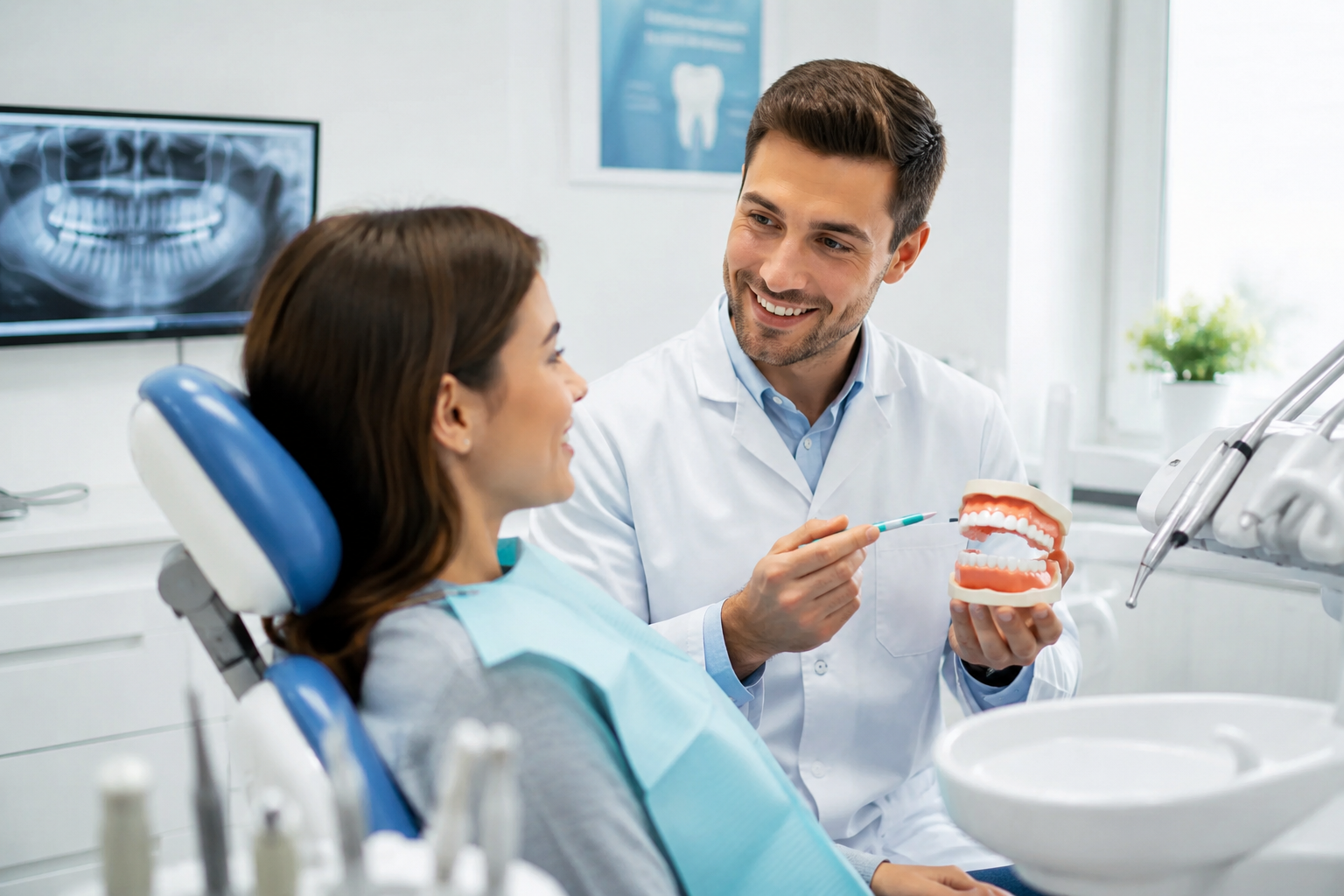
This section explains what drives treatment prices, how common services compare, and the payment and insurance options patients typically encounter. It focuses on concrete factors like material choices, provider experience, and plan limitations so readers can make informed decisions.
What Influences the Price of Dental Treatments
Several concrete factors determine a treatment’s price in Surprise, AZ. Provider experience and specialist fees raise costs; a general dentist charging $150–$300 per hour contrasts with a prosthodontist or oral surgeon whose hourly rate is often higher. Clinic overhead — rent, equipment (CBCT scanners, digital X‑rays), sterilization, and staff — directly affects fees.
Materials and lab work matter too. A composite filling may cost $100–$250, while a porcelain crown can run $800–$1,800 depending on lab quality and shade matching. Procedure complexity and time — number of visits, anesthesia, and use of sedation — add to the final bill.
Patient-specific factors change cost estimates. Preexisting conditions, bone loss requiring grafts before implants, or emergency visits with after-hours care increase expenses. Geographic location within the Phoenix metro also causes price variation.
Comparing Fees for Common Services
Prices vary by practice and treatment complexity; use local averages to set expectations. Typical ranges in Surprise: routine exam and cleaning $75–$160; periapical or bitewing X‑rays $20–$150; composite filling $100–$250; root canal (single-root tooth) $600–$1,100; crown $800–$1,800; implant (complete with crown) $3,000–$6,000.
Dental labs and materials shift those numbers. For example, zirconia crowns cost more than porcelain-fused-to-metal but often last longer. Emergency care and extractions: simple extraction $150–$300; surgical extraction $300–$700.
Ask practices for itemized estimates and compare at least two clinics. Request preauthorization from insurance when available to avoid surprise bills. Many offices provide financing plans or sliding scales for qualifying patients.
Types of Insurance and Payment Options
Insurance types affect out‑of‑pocket costs differently. PPO plans typically allow choice of any dentist with higher reimbursement for in‑network providers, while HMO/DHMO plans restrict providers but lower copays. Discount plans and Medicaid/AHCCCS offer alternative cost relief, though coverage limits and provider networks vary.
Common payment options include credit cards, CareCredit, in‑house dental plans, and short-term medical loans. Many practices offer payment plans with 0% interest for a promotional period or predictable monthly installments.
Patients should verify annual maximums, waiting periods for major services, and frequency limits (e.g., two cleanings per year). Asking for an itemized estimate, checking in-network status, and discussing phased treatment can reduce immediate financial burden and improve treatment planning.
Selecting the Right Dental Provider
Choosing a provider involves balancing cost, convenience, and quality of care. The emphasis should be on clear pricing, proven clinical skills, and a comfortable office experience.
Tips for Evaluating Local Dentists
Check office location and hours first; a practice near Bell Road or the Loop 303 with early or weekend hours reduces missed work. Verify whether the office accepts major insurers like Delta Dental and Medicare Advantage plans common in Surprise, AZ, and ask for a written fee estimate for common services — exams, cleanings, crowns, and root canals.
Read recent patient reviews on Google and Healthgrades, focusing on comments about pain management, appointment wait times, and follow-up care. Tour the office or request photos; modern sterilization equipment, digital x-rays, and clear signage for accessibility signal safer, more efficient care.
Ask about payment options: in-house plans, third-party financing (CareCredit), and sliding-scale fees. Confirm emergency availability and same-day dentistry options for urgent tooth pain or lost restorations.
Checking Credentials and Experience
Confirm the dentist’s state license and any disciplinary history through the Arizona State Board of Dental Examiners website. Look for advanced credentials: ADA membership, residency training, or continuing education certificates in implant dentistry, endodontics, or sedation when those services are offered.
Review experience specific to the needed treatment. For implants or complex restorations, ask how many similar procedures the dentist performs monthly and request before/after photos. For pediatric care, verify training in behavior guidance and familiarity with ASD-friendly approaches if relevant.
Ask about the clinical team: hygienists’ certifications, assistants’ training, and whether the office uses a dental anesthesiologist for IV sedation. Request protocol details for infection control and digital record-keeping to ensure consistent, accountable care.
Affordable Preventive Care Solutions
This section outlines practical steps Surprise, AZ residents can take to reduce dental costs through routine care and explains how those visits translate into measurable savings.
Regular Checkups and Cleanings
Dentists recommend a professional exam and cleaning every six months for most patients. During these visits, the hygienist removes plaque and tartar that brushing alone misses, lowering the risk of cavities and gum disease.
A typical preventive visit in Surprise includes: oral cancer screening, periodontal probing, bite and tooth alignment check, and a fluoride or sealant application when appropriate. X-rays are taken selectively based on age and risk; many practices use digital radiography to keep exposure and costs down.
Patients should bring a list of medications and any dental insurance information to the appointment. Many clinics offer bundled preventive plans or sliding-scale fees that cover two cleanings and exams per year at a reduced rate.
How Preventive Visits Save Money
Detecting small problems early prevents complex treatments later. Treating a small cavity with a filling usually costs a fraction of a root canal and crown that may be needed if decay progresses.
Preventive care also addresses gum disease early; non-surgical therapy and improved home care can avoid periodontal surgery or tooth loss. Practices in Surprise often track patient outcomes and can show cost differences between routine maintenance and emergency interventions.
Insurance typically covers preventive visits at low or no out-of-pocket expense, and some local clinics provide membership plans that reduce per-visit fees. Patients who schedule regular cleanings report fewer emergency appointments and lower annual dental spending.
Accessible Treatment Options for Every Budget
Patients can find care that fits their finances through payment plans, in-house discounts, and local low-cost clinics. Clear choices make it easier to plan treatment without sacrificing quality or comfort.
Flexible Payment Plans
Many dental offices in Surprise, AZ, offer interest-free or low-interest payment plans that spread costs over several months. Typical options include 3–12 month interest-free plans for restorative work and longer-term plans for implants or full-mouth treatments.
Enrollment usually requires a simple application and a down payment between 10%–30% of the procedure cost. Monthly amounts depend on the remaining balance and the chosen term.
Third-party financiers like CareCredit and LendingClub are widely accepted. Patients should compare interest rates, deferred-interest clauses, and penalties for missed payments. Clinics often explain total cost, monthly payment, and pay-off date before starting treatment.
Discount Programs and Promotions
Many practices run new-patient specials such as $59 exams and X-rays or reduced-rate cleanings to make initial care affordable. These promotions typically cover standard exams, digital X-rays, and basic cleanings but exclude specialty work.
Some offices maintain an in-house membership plan: for a yearly fee ($199–$349), members receive preventive care discounts, 10–20% off restorative services, and waived exam fees.
Patients should read terms carefully—discounts often cannot combine with insurance or other specials. Staff can provide a written fee schedule showing regular price versus promotional price so patients know exact savings.
Community Resources for Low-Cost Dental Care
Surprise residents can access low-cost care through community clinics and nonprofit programs. Examples include mobile dental clinics at community health fairs, sliding-scale community health centers that base fees on income, and school-based sealant programs for children.
Local dental schools and dental hygiene programs sometimes offer reduced-fee services performed by supervised students. Appointments may take longer but provide substantial savings.
Patients should bring proof of income, ID, and any insurance details. Calling ahead to confirm eligibility, required documents, and wait times helps avoid surprises and speeds access to care.
Modern Techniques for Comfortable Care
This section highlights precise, less-invasive treatments and proven methods to reduce pain and anxiety during dental visits. It focuses on specific tools, materials, and comfort strategies that patients will notice during appointments.
Minimally Invasive Procedures
Dentists now use high-speed handpieces, air abrasion, and dental lasers to remove decay while preserving healthy tooth structure. For fillings, they often select composite resins bonded directly to enamel and dentin, which require smaller preparations and provide durable, tooth-colored results.
For early cavities, silver diamine fluoride and remineralization with fluoride varnish or prescription-strength gels can halt progression without drilling. When crowns are needed, digital scanners and same-day CAD/CAM milling let many patients receive a fully fitted ceramic restoration in one visit, avoiding temporary crowns and multiple appointments.
Implant planning relies on cone beam CT scans and guided surgical templates to place implants with millimeter precision, reducing tissue trauma and healing time. Periodontal care favors ultrasonic scalers and localized antibiotic delivery for targeted treatment with less discomfort than traditional deep cleaning alone.
Patient Comfort and Anxiety Relief Methods
Dentists combine local anesthetics with buffered formulations to shorten onset time and reduce sting during injections. For longer procedures, nitrous oxide provides mild sedation and rapid recovery; oral sedatives are prescribed selectively after medical review and clear dosing instructions.
Office environments often include calming measures such as noise-cancelling headphones, weighted blankets, and chair-mounted TVs to distract and relax patients. Clinicians use communication techniques like “tell-show-do” and regular break offers to maintain control and reduce perceived pain.
Behavioral supports such as guided breathing, hand signals for pauses, and pre-visit consultations help anxious patients plan care. Many practices also screen for medical and medication risks electronically before appointments, improving safety when sedatives or complex procedures are involved.
Signs It’s Time to See a Dentist
Persistent or sudden changes in the mouth often indicate treatable problems. Paying attention to bleeding, pain, swelling, or loose teeth helps catch issues before they worsen.
Recognizing Early Warning Signs
Bleeding gums during brushing or flossing that lasts more than a few days suggests gum disease and warrants a professional cleaning and evaluation. Early-stage gingivitis often responds well to improved home care and a dental visit for scaling.
Consistent tooth sensitivity to hot, cold, or sweets can signal enamel loss, a cavity, or gum recession. A rapid jump in sensitivity or sensitivity that disrupts eating should prompt exam and possible fluoride treatment, bonding, or a filling.
Persistent bad breath despite good oral hygiene could indicate trapped food, decay, or periodontal infection. A dentist will check for cavities, gum pockets, and advise targeted treatments such as scaling or antimicrobial rinses.
Unexplained loose teeth in adults, or a change in bite, often points to bone loss or periodontal disease and requires timely periodontal assessment and treatment planning.
Managing Dental Emergencies
Severe tooth pain that won’t subside after OTC pain relief calls for same-day attention to rule out infection, large decay, or a cracked tooth. Dentists can provide pain control, antibiotics if needed, and emergency restorations like temporary crowns or root canal therapy.
A knocked-out tooth needs action within minutes to hours; keep the tooth in milk or saline and see a dentist immediately for possible reimplantation. If reimplantation isn’t possible, the dentist will discuss replacement options such as implants or bridges.
Chipped or fractured teeth that cause sharp edges, bleeding, or cosmetic concern should be evaluated quickly. Treatment ranges from smoothing and bonding to crowns depending on fracture depth and pulp involvement.
Swelling of the face, jaw, or neck with fever signals a spreading infection and requires urgent care. Antibiotics and drainage or extraction may be necessary to prevent systemic complications.
Steps to a Brighter Smile on a Budget
Start with prevention: regular brushing, flossing, and using fluoride toothpaste reduce decay and staining. These small daily habits cut the need for costly treatments later.
Schedule a basic exam and cleaning at an affordable clinic or community dental center; many offer sliding-scale fees or specials. Early detection of problems often means simpler, cheaper fixes.
Ask about treatment priorities and phased care. Dentists can break larger plans into manageable steps so patients pay over time and address urgent issues first.
Compare costs for restorative work like fillings or crowns. Request written estimates and inquire about in-office payment plans, dental savings plans, or low-interest third-party financing.
Consider low-cost cosmetic options such as professional whitening or tooth-colored fillings instead of full veneers. These provide noticeable improvement at a fraction of the price.
Use preventive aids at home: interdental brushes, fluoride mouth rinses, and an electric toothbrush can extend the life of restorations. Small investments in tools often prevent larger expenses later.
Look for community events, dental schools, or clinics that offer reduced-cost services. Students work under supervision, which lowers fees while maintaining professional oversight.
Talk openly about anxiety and comfort options; sedation or nitrous oxide may be available and affordable when discussed up front. Feeling comfortable makes it easier to keep appointments and complete recommended care.
Questions or unsure where to start? They should contact a local affordable dentist to review options, get an exam, and create a budget-friendly plan tailored to their needs.
Finding Support for Families in Surprise, AZ
Local clinics and community health centers in Surprise offer sliding-scale fees and pediatric-friendly care, making routine dental visits more affordable. They often accept Medicaid and CHIP, which helps families cover preventive cleanings, fillings, and basic restorative work.
Nonprofit organizations and school-based programs provide dental screenings and fluoride treatments for children. These programs focus on prevention and early intervention, reducing the need for costly emergency care later.
Many neighborhood dentists offer family plans, bundled pricing, and membership programs for uninsured patients. These plans typically include exams, X-rays, and cleanings at a reduced annual rate — a practical option for regular care.
Dental schools and clinics at nearby universities may offer lower-cost treatment performed by supervised students. Patients get careful, modern care while supporting training programs that serve the community.
Transportation and language assistance are often available through city resources and community centers. These services remove practical barriers so families can attend appointments and follow-up care.
They should call clinics ahead to confirm eligibility, accepted insurance, and any available discounts. Scheduling an initial consultation helps match family needs with the right local program or provider.
Next Steps: Booking Your First Visit
They can call or book online to secure an appointment that fits their schedule. Many affordable dental offices in Surprise, AZ, offer evening or weekend slots to accommodate work and family commitments.
Ask about new-patient specials and what the initial visit includes. Typical first visits combine a health history review, exam, and quick X-rays if needed.
Advise bringing ID, insurance card, and a list of medications. If they don’t have insurance, suggest asking about payment plans, sliding-scale fees, or membership plans many clinics provide.
To prepare, complete any intake forms ahead of time when possible. This speeds check-in and lets the team focus on comfort and treatment planning during the visit.
Use this checklist before leaving home:
- Insurance card or payment method
- Photo ID
- Medication list
- Any recent dental records, if available
They should expect staff to explain costs and treatment options clearly. The team will discuss preventive steps and prioritize pain relief or urgent needs first.
Encourage contacting the office with questions about sedation, special needs, or anxiety. A friendly staff member can explain options and make accommodations to ensure a comfortable experience.
Invite them to schedule their visit today and ask about available new-patient times. This step helps start a practical, affordable path to better dental health.
Frequently Asked Questions
This section answers practical concerns about transparent pricing, payment options, emergency care, child-friendly dentists, modern services, and what happens at a first visit. Each answer points to concrete steps residents of Surprise, AZ can take to find and use local dental care.
How can I find a dentist in Surprise who offers fair pricing and clear estimates before treatment?
Call offices and ask for a written estimate for the specific procedure, including itemized fees for exams, X‑rays, fillings, and lab work.
Check the dentist’s website for a treatment fee list or a “new patient” page that explains costs and insurance participation.
Look for practices that offer free or low‑cost consultations; that often signals willingness to discuss alternatives and phased treatment.
Read recent patient reviews on Google and Yelp for comments about billing transparency and surprise charges.
What payment plans or financing options do local dental offices offer for bigger procedures?
Many Surprise offices partner with third‑party lenders such as CareCredit or Proceed Finance to provide 3–24 month plans.
Some practices offer in‑office financing with no interest for short terms or extended low‑interest plans for larger cases.
Ask the office to show the total cost under each plan and any enrollment fees before signing.
Verify whether the plan covers only treatment costs or also includes lab fees, sedation, or follow‑up visits.
What should I do if I have a dental emergency after hours, and who can I call right away?
Call your dentist’s emergency line first; many clinics forward calls to an on‑call dentist or an answering service.
If the practice has no after‑hours coverage, go to the nearest urgent care that handles dental trauma or the emergency room for uncontrolled bleeding or severe swelling.
Keep a list of local emergency dentists and the hours for Mission Surprise Hospital and nearby urgent care centers saved in your phone.
For knocked‑out teeth, reinsert the tooth if possible, hold it in place, or keep it in milk and seek care within 60 minutes.
How do I choose a family dentist who’s gentle with kids and good at helping nervous patients feel comfortable?
Look for dentists who advertise pediatric experience or have a certified pediatric dentist on staff and who describe behavior‑management techniques.
Ask whether they offer nitrous oxide, short appointment slots for acclimation, or guided tours of the office for children.
For anxious adults, check if the office offers sedation options, blankets, headphones, and a calm treatment room.
Read patient testimonials that mention bedside manner, patience, and clear explanations during procedures.
Are same-day crowns, digital X-rays, and other modern treatments available locally to make visits faster and easier?
Many Surprise dental offices offer CEREC or chairside milling for same‑day crowns and use digital sensors for X‑rays to lower radiation and speed imaging.
Confirm availability by phone; not all offices have in‑house milling or 3D cone‑beam CT scanners, though most provide digital X‑rays.
Ask whether same‑day crowns are produced on site or sent to a local lab and whether there’s an extra charge.
Also inquire about intraoral cameras, laser dentistry for soft‑tissue work, and clear aligner services if speed and comfort matter.
What should I expect during a first visit exam and cleaning, and how can I prevent costly dental problems later?
Expect a medical history review, a full‑mouth exam, digital X‑rays if needed, and a prophylaxis cleaning with possible fluoride for patients at higher risk.
The dentist will discuss findings, propose a treatment plan, and provide a written estimate and timeline for needed work.
Prevent costly problems by keeping regular six‑month cleanings, using a fluoride toothpaste, flossing daily, and addressing small cavities early.
Ask about personalized prevention steps like sealants for children, nightguards for bruxism, and smoking cessation resources.
For questions or to schedule a consultation, contact a local Surprise dental office to review availability, pricing, and patient comfort options.