
You’ll find clear, practical choices for Invisalign in Surprise, AZ that fit different budgets, schedules, and smile goals. If you want discreet, removable aligners with local professional oversight, Invisalign in Surprise offers personalized treatment plans and follow-up care tailored to your lifestyle.
The article explains how clear aligner therapy works, compares Invisalign with other brands, and outlines what to expect from consultations through final results. It also covers customization options available from local providers, ways to care for aligners, cost and payment strategies, and how to choose a dentist or orthodontist nearby.
You’ll get straightforward steps for scheduling a visit and common questions patients ask, so deciding whether Invisalign is right for you feels easier and more confident.
Understanding Clear Aligner Therapy
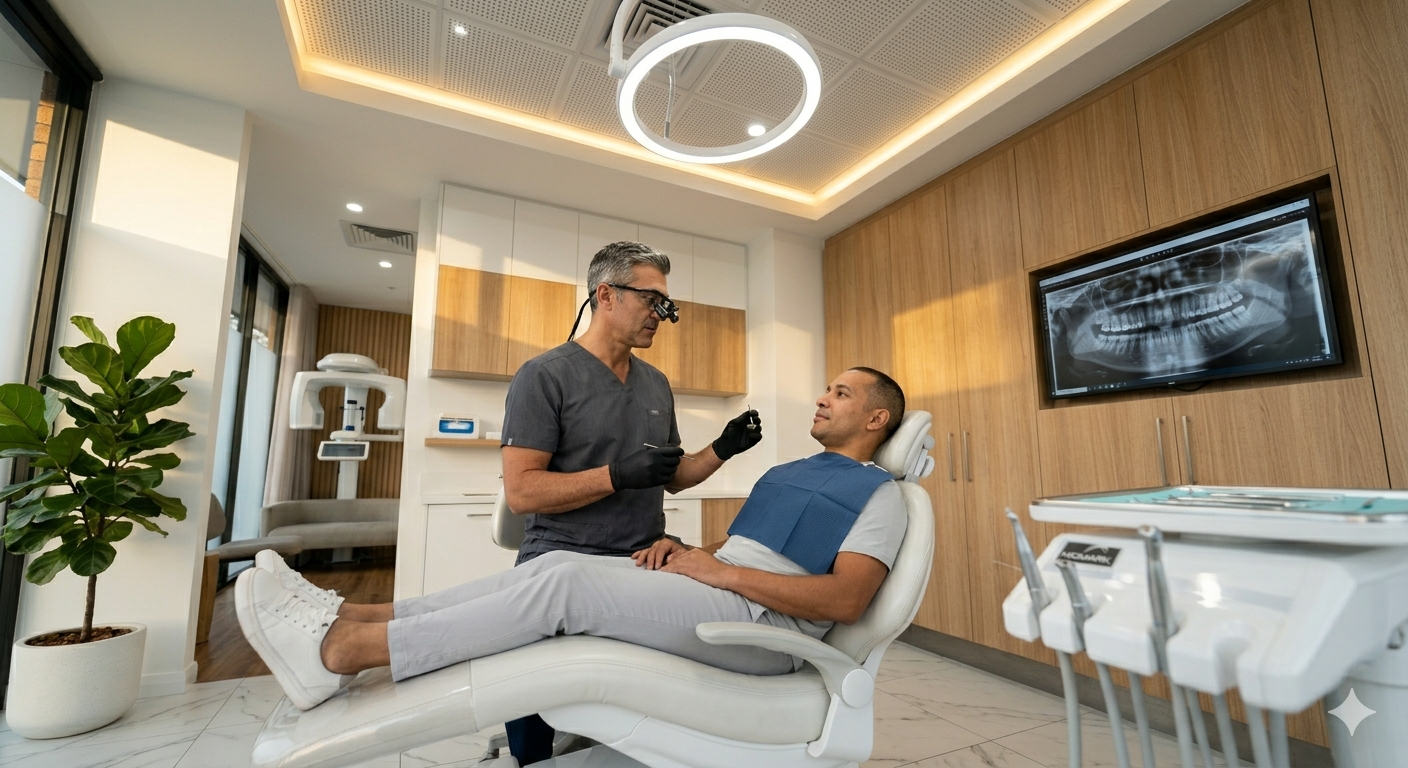
Clear aligner therapy uses a series of custom, removable trays to move teeth incrementally. It focuses on predictable tooth movement, comfort, and fewer office visits compared with traditional braces.
How Clear Aligners Work
Aligners use digital scans and treatment planning software to map each tooth’s movement from start to finish. The lab prints or fabricates a sequence of clear thermoplastic trays; each tray applies light pressure to specific teeth for about one to two weeks before the patient switches to the next tray.
Orthodontists or trained dentists set treatment goals—alignment, bite correction, or spacing—and monitor progress with periodic checkups, typically every 6–10 weeks.
Attachments (small tooth-colored bumps bonded to teeth) and elastics sometimes assist complex movements like rotations or vertical corrections. Patients usually wear aligners 20–22 hours daily and remove them for eating and hygiene.
Typical treatment spans 6–18 months depending on case complexity. Compliance directly affects results; skipped wear time delays progress and may require refinements.
Who Can Benefit from Aligner Treatments
Patients with mild to moderate crowding, spacing, and some bite issues often qualify for aligners. Adults and teens who prioritize aesthetics, comfort, and removable appliances tend to prefer this option.
Complex skeletal problems, severe rotations, or major jaw discrepancies may still require braces or surgical intervention; a dental exam and x-rays determine candidacy.
Patients with good oral hygiene and strong compliance make the best candidates because aligners demand consistent wear and careful cleaning.
People with restorations—crowns, bridges, or veneers—can often use aligners, but the dentist evaluates each restoration’s fit and may adjust the plan to protect dental work.
For anyone considering aligners in Surprise, AZ, a consultation with a local provider will establish suitability, expected timeline, and cost options.
Comparing Invisalign and Alternative Brands
Patients in Surprise, AZ often weigh cost, treatment time, and provider oversight when choosing clear aligners. The two subsections below compare materials, tracking technology, clinical involvement, typical case suitability, and the trade-offs patients should expect.
Key Differences Between Popular Aligners
Invisalign uses SmartTrack material and ClinCheck 3D treatment planning controlled by a dentist or orthodontist. This gives finer staged movements for complex cases like rotations, extrusions, and bite corrections. Invisalign also integrates attachments, elastics, and midcourse refinements as standard options.
Direct-to-consumer brands (e.g., SmileDirectClub, Byte) rely on impression kits or remote scans and usually use simpler movement plans without routine in‑person exams. Lab‑direct brands (e.g., ClearCorrect, SureSmile) sit between: they offer dentist-driven planning but sometimes differ in material stiffness and refinement policies. Treatment duration varies: Invisalign often treats moderate-to-complex cases in 6–18 months, while many remote options target mild-to-moderate alignment in 4–12 months.
Monitoring and adjustments matter: in-office brands provide periodic clinical checks and can revise plans based on tooth movement. Remote brands use virtual check-ins and may have slower or limited midcourse corrections if teeth don’t track as planned.
Pros and Cons of Each Option
Invisalign pros: high clinical oversight, predictable results for complex bites, and broad provider support in Surprise. Patients benefit from custom attachments, proven software, and access to refinements without major extra cost. Cons: higher price and sometimes longer scheduling to see an orthodontist.
Remote aligners pros: lower upfront cost, convenience of at‑home scanning, and faster start times. Cons: limited clinical supervision, less ability to address unexpected tooth movement, and potential extra fees for refinements or retainers. These are best for simple crowding or spacing.
Lab-driven alternatives offer a middle ground: lower cost than Invisalign but with dentist involvement. Pros include more hands‑on care and possible savings. Cons include variable material quality, different refinement policies, and provider-dependent outcomes. Patients should compare cost, treatment plan detail, and follow‑up routines when deciding.
What to Expect from the Treatment Journey
Patients can expect a clear sequence: a thorough evaluation, precise digital impressions and aligner fabrication, then regular follow-ups to monitor progress and adjust as needed. The plan emphasizes comfort, predictable tooth movement, and patient education about daily wear and care.
Initial Consultation Process
The consultation starts with a focused medical and dental history review to identify risks like gum disease or untreated cavities. Imaging includes digital X-rays and an intraoral scan to map tooth positions precisely; this creates the baseline for the treatment plan.
The clinician explains the proposed movement goals, estimated treatment length, and whether attachments or interproximal reduction (IPR) will be needed. Cost, insurance coverage, financing, and alternative options get discussed in plain language so patients can decide confidently.
Patients receive a visual treatment simulation showing stage-by-stage tooth movement. Staff reviews daily wear expectations (usually 20–22 hours), cleaning routines, and how to handle minor discomfort or lost aligners.
Getting Fitted for Your Aligners
The fitting visit usually follows final approval of the digital plan and takes 30–60 minutes. Clinic staff verify the fit of first aligners and place any necessary attachments—small tooth-colored bumps that help aligners apply targeted force.
Clinicians confirm the patient can insert and remove aligners, demonstrate cleaning with a soft brush and lukewarm water, and provide storage cases. They also hand out a written schedule showing when to switch to the next tray, typically every 1–2 weeks.
Patients receive guidance on eating (remove aligners for meals), drinking (avoid hot beverages while wearing trays), and managing initial soreness with over-the-counter pain relief. Emergency contacts are provided for fit problems or lost trays.
Follow-Up Appointments and Check-Ins
Follow-ups occur every 6–10 weeks, depending on the case complexity and local provider protocol. These visits take 10–20 minutes and focus on tracking movement, checking attachments, and confirming the patient is progressing on schedule.
Clinicians perform quick scans or impressions if refinements are necessary. If teeth aren’t tracking well, adjustments may include new aligners, additional attachments, or brief refinements like IPR.
Between visits, many practices use secure photo check-ins through an app to verify tray fit and compliance. Patients are reminded to report pain beyond the first few days, broken aligners, or gaps forming unexpectedly so the team can respond promptly.
Questions or appointments can be scheduled directly with the clinic to keep treatment timely and comfortable.
Customization Options for Surprise AZ Patients
Patients in Surprise receive tailored Invisalign care that balances clinical goals with daily life. Providers evaluate tooth movement needs, esthetic preferences, and comfort measures to create a clear plan that fits work, school, and family schedules.
Tailoring Treatment Plans for Unique Smiles
Clinicians begin with a digital scan and intraoral photos to map tooth positions precisely. They use those models to plan which teeth need attachments, interproximal reduction (IPR), or sequential movements, and then estimate treatment length in clear stages.
Providers explain specific mechanics: small tooth-colored attachments for rotations, IPR measured in tenths of a millimeter to create space, and elastics if bite correction is required. They show the patient the expected tooth movement sequence on a 3D simulation and adjust goals for front-tooth esthetics versus molar occlusion when necessary.
Appointment cadence gets customized too. Some patients receive aligner sets for two-week changes with monthly check-ins; others get weekly changes with virtual monitoring if clinically appropriate. The plan always includes checkpoints for refinements and a retention strategy using bonded or removable retainers.
Accommodating Lifestyle and Comfort
Practices in Surprise discuss daily routines before finalizing a plan to minimize disruption. They recommend wearing aligners 20–22 hours per day and suggest strategies for meals, hydration, and oral hygiene that match the patient’s work and social life.
For comfort, clinicians offer options such as trimmed aligner edges, chewies, and desensitizing protocols for initial soreness. They also provide travel-friendly spare aligners and emergency contacts for lost trays or pain outside office hours.
Patients with specific needs—athletes, musicians, or those with TMJ sensitivity—receive modifications like schedule flexibility, appliance trimming to avoid lip or tongue interference, and coordination with physical therapists when TMJ symptoms exist. Billing and insurance guidance is provided up front to align financial planning with treatment choices.
Caring for Your Aligners
Keep aligners clean, odor-free, and protected from damage by rinsing them, brushing gently, and storing them in their case when not in use. Avoid heat, colored drinks, and abrasive cleaners to preserve fit and clarity.
Daily Cleaning Tips
Rinse aligners under cool running water every time they are removed to wash away saliva and food particles. Doing this prevents buildup and reduces staining.
Brush aligners gently with a soft-bristled toothbrush and clear, mild soap — not toothpaste — to avoid scratching the plastic. Brush both inside and outside for about 30 seconds, then rinse thoroughly.
Soak aligners once daily using a manufacturer-recommended solution or a mixture of equal parts white vinegar and water for 15–20 minutes. Alternatively, use over-the-counter retainer or aligner cleaning crystals as directed.
Avoid hot water, colored mouthwash, and denture cleaners containing bleach; these can warp or discolor the trays. If a tray smells persistently, bring it to the dentist for inspection rather than trying DIY fixes that could damage the aligner.
Handling and Storing Aligners Safely
Always remove aligners with clean hands. Pinch the back of one side, then the other, and pull evenly to prevent cracking or bending the tray edges.
Store aligners in their hard case whenever they are out of the mouth. A case protects against pets, accidental crushing, and exposure to dirt or bacteria.
Label the case with the patient’s name and treatment stage if multiple sets are present. Keep the case in a cool, dry place away from direct sunlight and never wrap aligners in a tissue or napkin.
Carry a travel kit with a case, soft toothbrush, and mild soap to clean and store aligners after meals. If an aligner cracks or no longer fits, contact the treating orthodontist promptly to avoid losing treatment progress.
Results You Can Expect
Patients typically see measurable changes within weeks, with most finishing treatment in under two years. Comfort improves as aligners settle, and predictable milestones help track progress.
Typical Timelines for Visible Changes
Most patients notice the first visible alignment in 4–8 weeks, especially for minor crowding or spacing. Front-tooth shifts tend to show faster; molar or bite corrections take longer because they require more complex tooth movement.
Typical case lengths:
- Minor adjustments: 3–6 months
- Moderate crowding/spacing: 6–12 months
- Complex bite or rotational issues: 12–24 months
Compliance affects timing directly. Wearing aligners 20–22 hours daily usually keeps the plan on schedule. Monthly check-ins or remote monitoring allow technicians to tweak the plan, and attachments or elastics sometimes add 2–8 weeks to accommodate tougher movements.
Long-Term Smile Maintenance
Retention prevents relapse once active treatment ends. Most clinicians recommend a removable retainer every night for the first 6–12 months, then at least a few nights per week indefinitely.
Types of retainers:
- Clear removable retainers: discreet, replaceable
- Hawley retainers: adjustable, durable
- Bonded (fixed) retainers: permanent for lower front teeth
Regular dental visits every 6 months let the team verify retainer fit and oral health. Patients should also continue routine hygiene, avoid hard objects that chip teeth, and contact the dentist if a retainer breaks or teeth feel crowded. A quick checkup can often correct minor relapse without restarting major treatment.
Budget-Friendly Solutions and Payment Information
This section explains how patients can use dental insurance and flexible payment plans to lower out-of-pocket costs for Invisalign in Surprise, AZ. It highlights typical coverage limits, documentation needed, and practical financing options patients commonly choose.
Insurance Coverage in Arizona
Many Arizona dental plans offer partial orthodontic benefits that can apply to Invisalign, but coverage varies widely by carrier and policy. Patients should check for a separate orthodontic lifetime maximum (often $1,000–$2,500) and whether clear aligners are listed as an eligible service.
Pre-authorization is crucial. Submitting x-rays, a treatment plan, and the estimated total cost to the insurer can secure a benefits estimate before starting treatment. Patients with employer-sponsored Delta Dental, Cigna, or Blue Cross plans often see some level of reimbursement; those on HSA-eligible high-deductible plans can use pre-tax funds to pay costs.
Out-of-network benefits sometimes apply, but reimbursement rates drop. The practice’s billing team can file claims and provide itemized receipts that patients need for reimbursement or FSA/HSA documentation.
Flexible Financing Programs
Many Invisalign providers in Surprise partner with third-party lenders to offer 0% interest introductory plans and low-interest extended terms. Typical options include 6–24 months interest-free plans and 36–60 month plans with fixed APRs; approval depends on credit and income.
Dentist offices often accept CareCredit, LendingClub Patient Solutions, and in-house payment plans. CareCredit can cover the full treatment cost and breaks payments into monthly installments that fit household budgets. In-house plans may require a down payment (commonly 10–30%) with the remainder spread across treatment months.
Patients should compare total cost, monthly payment, and any origination fees. Requesting a written payment schedule and checking for early-payment penalties helps avoid surprises. The practice staff can provide a side-by-side estimate showing insurance reimbursement, down payment, and monthly obligation to guide decision-making.
Choosing the Right Dental Provider Locally
Finding a dental office that combines clinical expertise, modern equipment, and clear communication makes the Invisalign process smoother and more predictable. Patients should prioritize proven experience with clear aligners, transparent pricing, and a comfortable office environment.
Qualifications to Look for in Your Dental Team
Look for a dentist or orthodontist who lists Invisalign or clear-aligner certification on their website and displays before-and-after cases from actual patients. Certification shows they completed manufacturer training; case galleries reveal treatment consistency and realistic outcomes.
Confirm the provider uses digital tools like iTero or TRIOS scanners and 3D treatment planning software. These reduce fitting errors and let patients preview results. Check licensure on the Arizona State Board of Dental Examiners site to verify standing and any disciplinary history.
Evaluate clinical experience: prefer providers who treat a steady volume of aligner cases monthly and who can show records of complex corrections (bite issues, rotations). Ask whether the practice includes an in-house specialist (orthodontist) for complicated cases. Also assess office amenities: flexible scheduling, sedation options if anxious, and clear follow-up protocols for refinements.
Questions to Ask at Your Consultation
Ask how many Invisalign cases the provider completes per year and to see similar case photos. Specific numbers and comparable before-and-afters clarify their practical experience and likely outcome for your bite type.
Request a demonstration of the scanning workflow and ask to see your proposed 3D treatment plan. Confirm who will monitor progress—dentist, hygienist, or orthodontist—and how often aligners and appointments are checked. Ask about average treatment length, typical number of refinements, and cost breakdowns (initial scans, aligner sets, retainers, follow-ups).
Clarify payment options, insurance claims handling, and any warranty or satisfaction policy. Finally, ask about emergency access if an aligner or attachment breaks, and what steps they take to minimize discomfort during attachment placement or refinement procedures.
Next Steps and Scheduling Your Visit
Patients can start by calling the Surprise, AZ office or using the clinic’s online booking form to request an initial consultation. Staff confirm insurance benefits, estimated costs, and available appointment times before the visit to reduce surprises.
During the first appointment, the team performs a brief exam, takes digital scans or x‑rays, and discusses Invisalign options tailored to the patient’s needs. They explain treatment length, expected results, and any recommended adjunctive care in plain language.
Bring a photo ID, insurance card, and a list of any medications to the appointment. If patients have prior dental records or recent x‑rays, uploading them beforehand speeds the evaluation.
Payment and financing options are reviewed clearly at scheduling so families can choose what fits their budget. Many offices offer interest‑free plans or monthly payments; staff can run examples to show exact monthly costs.
Use this checklist to prepare:
- Contact method: phone or online booking
- Documents: ID, insurance, prior records
- Questions: treatment timeline, cost, comfort measures
- Accessibility needs: request accommodations when scheduling
They encourage patients to call with questions before the visit. A friendly team member will help set expectations and make the first step simple and comfortable.
Frequently Asked Questions
This section answers common questions about clear aligner care, candidacy, timeline, costs, and daily habits in Surprise, AZ. It provides specifics on comfort vs. braces, treatment steps, estimated durations, payment options, and practical tips for lost or damaged trays.
How do clear aligners compare to traditional braces for comfort and everyday convenience?
Clear aligners sit over teeth and use smooth plastic, which usually causes less soft-tissue irritation than metal brackets and wires. Patients often report easier eating, no food trapped in brackets, and simpler oral hygiene because aligners are removable.
Aligners require wearing about 20–22 hours per day for best results, so they trade constant braces for patient discipline. They also allow fewer emergency visits for broken wires, but complex tooth movements may still require attachments that feel different at first.
Am I a good candidate for clear aligners if I have crowding, gaps, or a bite issue?
Many cases of mild to moderate crowding, spacing, and certain bite issues (overbite, underbite, crossbite) respond well to clear aligners. A dentist or orthodontist in Surprise will assess X-rays, photos, and digital scans to determine if aligners alone can achieve the planned tooth movements.
Severe skeletal discrepancies or very complex tooth rotations may need braces or combined treatments. The provider will recommend the most predictable option and explain hybrid approaches if necessary.
How long does clear aligner treatment usually take, and what affects the timeline?
Typical treatment for adults ranges from 6 to 18 months depending on case complexity. Factors that lengthen treatment include severity of misalignment, required bite correction, tooth movement speed, and patient compliance with daily wear.
Switching trays on schedule, attending checkups, and using compliance tools (like chewies) help keep the plan on target. Missed wear or lost trays can add weeks or months to the timeline.
What does the process look like from the first consultation to getting my first set of aligners?
The first visit includes a clinical exam, photos, digital scans or impressions, and a discussion of goals and costs. The provider creates a digital treatment plan that shows expected tooth movements and duration for patient review.
Once approved, the lab fabricates the aligner series and the patient receives the first set, fitting checks, and hygiene instructions. Follow-up visits usually occur every 6–10 weeks to monitor progress and provide new trays as scheduled.
How much do clear aligners typically cost, and what payment or insurance options are available?
In Surprise, clear aligner treatment generally ranges from $3,000 to $7,000 depending on complexity and provider expertise. Many offices offer financing plans, monthly payment options, and in-house membership discounts to spread costs.
Dental insurance sometimes covers part of orthodontic treatment; benefits vary by plan. The dental office can verify insurance coverage and estimate out-of-pocket costs before treatment begins.
What daily habits help aligners work best, and what should I do if I lose or crack a tray?
Wear aligners 20–22 hours daily and remove them only for eating, drinking (except water), and brushing. Clean trays daily with a soft brush and lukewarm water; avoid hot water and abrasive toothpaste that can warp or scratch plastic.
If a tray cracks, stop wearing it and contact the provider for a replacement; they may ask the patient to move to the next tray if teeth are ready. For a lost tray, the office will usually order a replacement and may advise wearing the previous tray to maintain tooth position until the new one arrives.